The Smart Economy Podcast features interviews with some of the most interesting people within the blockchain industry, working to make the new smart economy a reality.
Pitch Analysis
Required Pod Score for this show. PitchCentric checks your profile against host openness, topical fit, and audience signals before you generate a pitch.
Contact path
Verified email
Booking probability
34%
Guest openness
Selective
Verified email on file
80/100
Required Score
Sign up to generate a grounded pitch for The Smart Economy Podcast: Real-World Blockchain Applications with Crypto, DeFi, NFTs, and DAOs.
What is The Smart Economy Podcast: Real-World Blockchain Applications with Crypto, DeFi, NFTs, and DAOs?
The Smart Economy Podcast: Real-World Blockchain Applications with Crypto, DeFi, NFTs, and DAOs is a news podcast hosted by Ragnarok Digital, LLP, with 96 episodes on record and a Required Pod Score of 80.
About the host
Ragnarok Digital, LLP hosts The Smart Economy Podcast: Real-World Blockchain Applications with Crypto, DeFi, NFTs, and DAOs, a news show with 96 episodes published.
Our AI reads these to draft pitches. Use them as grounding for a pitch that cites a real guest and a specific topic.
Episode #96
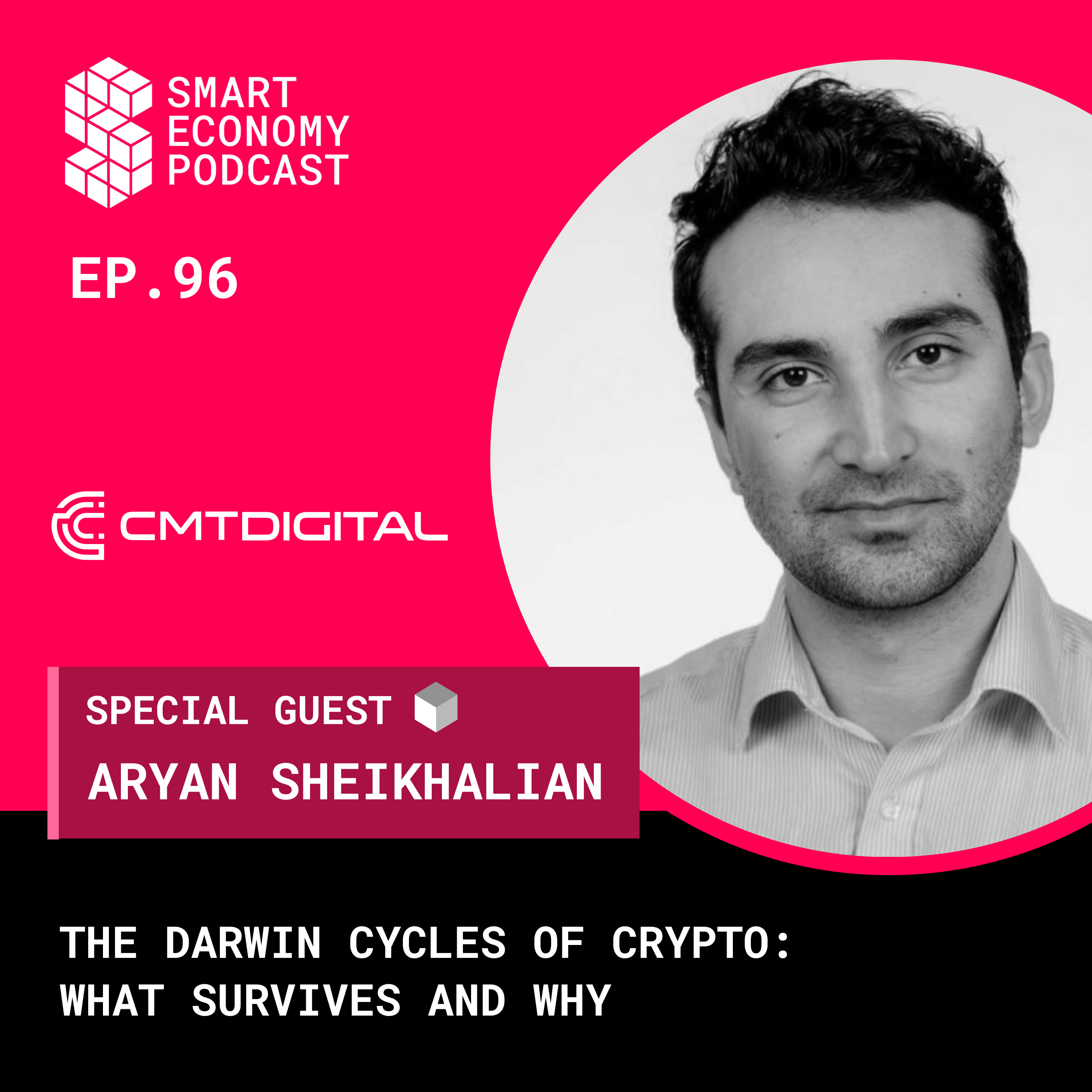
The Darwin Cycles of Crypto: What Survives and Why with Aryan Sheikhalian of CMT Digital
Aug 14, 202558 minS0
In this episode of The Smart Economy Podcast, host Dylan Grabowski is joined by Aryan Sheikhalian, Head of Research at CMT Digital, a global blockchain and Web3 proprietary trading and venture capital firm focused on early-stage investments that accelerate the adoption of blockchain technology. Together, they dive into what it really takes to build sustainable decentralized systems.<br><br><br>What you’ll learn:<br><br>How Aryan's early exposure to cryptography and Blockchain Research Institute shaped his investment lensWhat CMT Digital looks for in pre-seed and seed-stage startupsWhy Ethereum's shift to a data availability layer could be both a su...
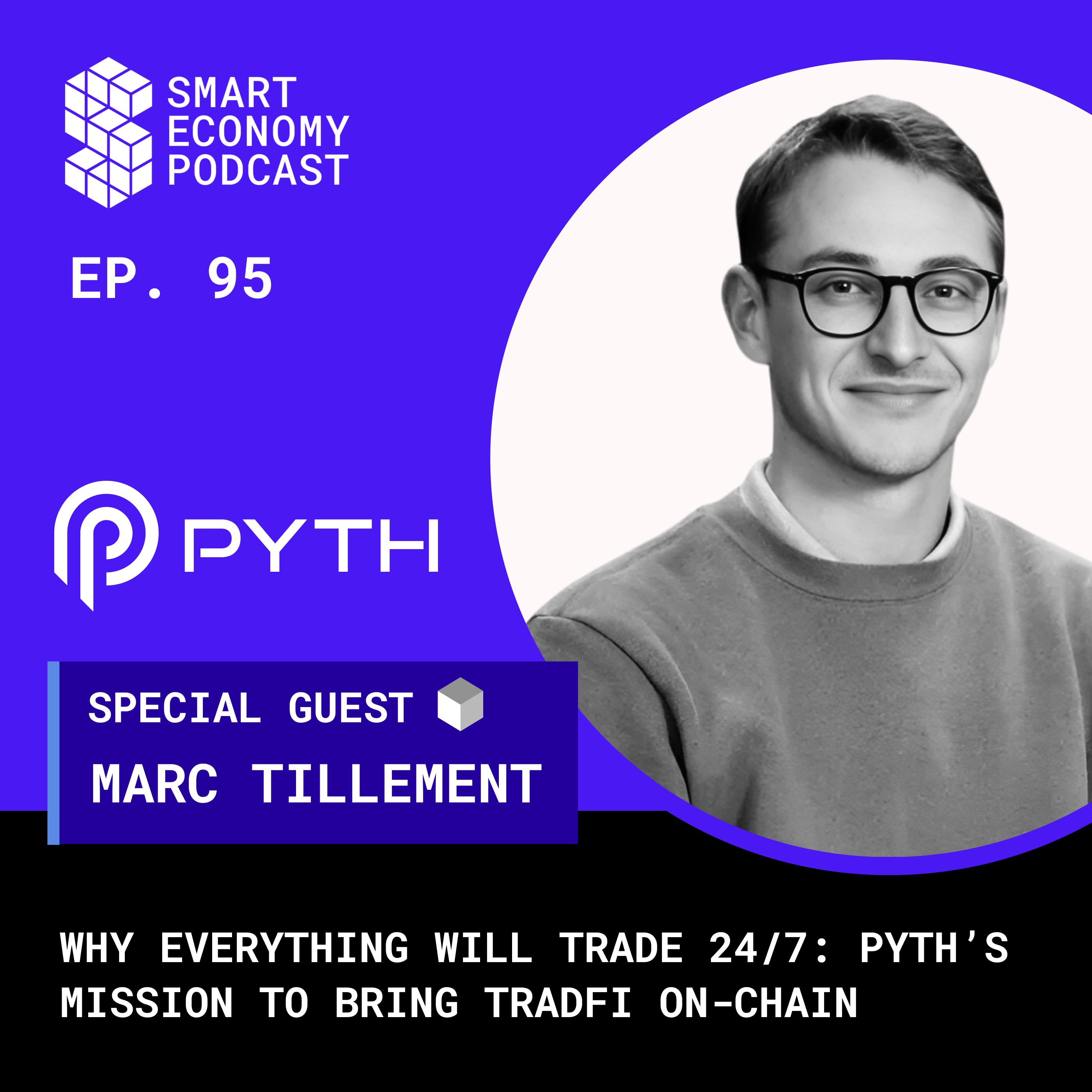
Why Everything Will Trade 24/7: Pyth’s Mission to Bring TradFi On-Chain
Jul 31, 202555 minS0
<br>In this episode of The Smart Economy Podcast, host Dylan Grabowski is joined by Marc Tillement, Director of the Pyth Data Association, an independent entity pursuing decentralized financial data distribution through the Pyth Network ecosystem. Together, they explore how Pyth Network aims to transform financial data distribution through its oracle network that serves over 100 blockchains.<br><br><br>What you’ll learn:How traditional financial data distribution is controlled by 5-6 companies generating $30B in annual revenueWhy decentralized oracle networks are crucial for bringing real-world data on-chainThe strategic advantage of creating new financial data sources rather than just redistributing ex...
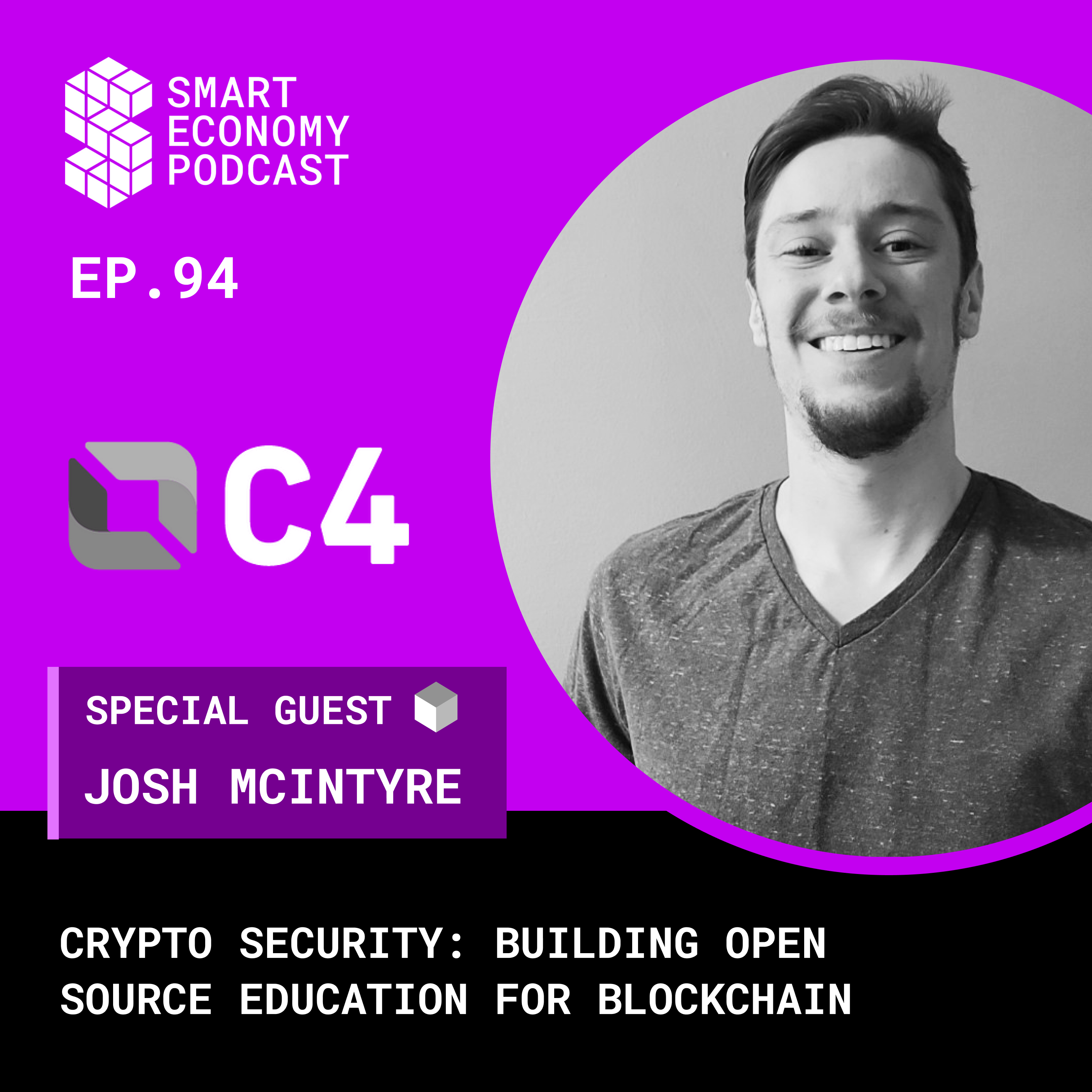
Crypto Security: Building Open Source Education for Blockchain
Jul 17, 202559 minS0
In this episode of The Smart Economy Podcast, host Dylan Grabowski is joined by Josh McIntyre, Chairperson of the CCE Committee at C4, a non-profit organization advancing the understanding and adoption of Bitcoin, cryptocurrency, blockchain technology, and secure private key management. Together, they explore essential blockchain security practices that both newcomers and veterans often overlook.<br><br><br>What you’ll learn:<br><br>How to evaluate your personal security threat model and build appropriate protection strategiesThe three critical security pillarsWhy complacency is the biggest threat to experienced crypto users and how to combat itHow to implement the urgency-threats-rewards framework to...
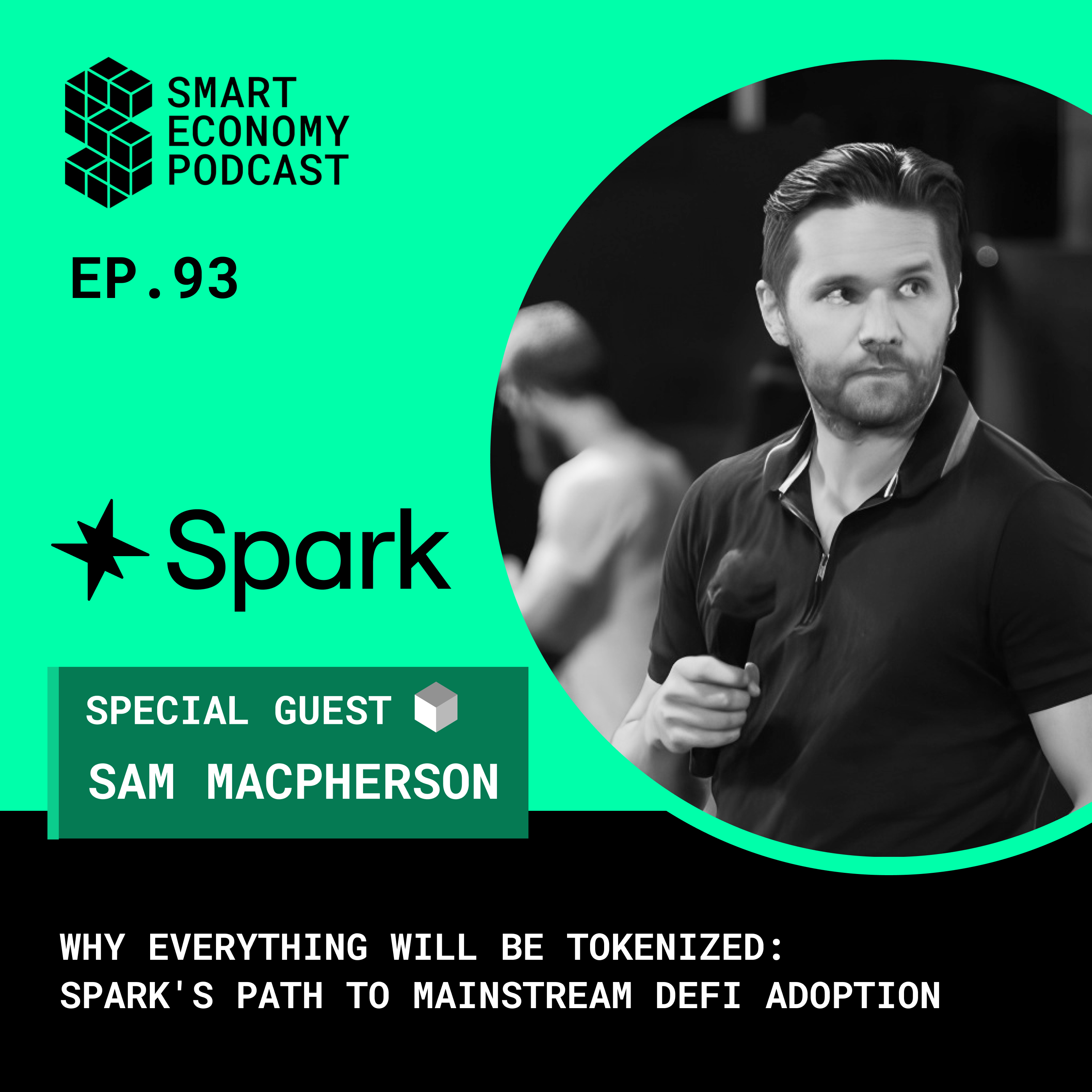
Why Everything Will Be Tokenized: Spark's Path to Mainstream DeFi Adoption
Jul 3, 202555 minS0
In this episode of The Smart Economy Podcast, host Dylan Grabowski is joined by Sam MacPherson, CEO and co-founder of Phoenix Labs, the R&D company behind the multi-chain DeFi platform Spark.<br><br><br>What you’ll learn:<br><br>How Spark Liquidity Layer helps solve cross-chain fragmentation by automatically deploying capital across multiple L2sWhy the transition from DAI to USDS represents a strategic move to capture mainstream adoptionThe mechanics behind Spark's APY generation through diversified yield sourcesHow institutional adoption is driving DeFi innovation through products like Coinbase's Bitcoin BorrowHow Spark evaluates and onboards new L2 networks based on...
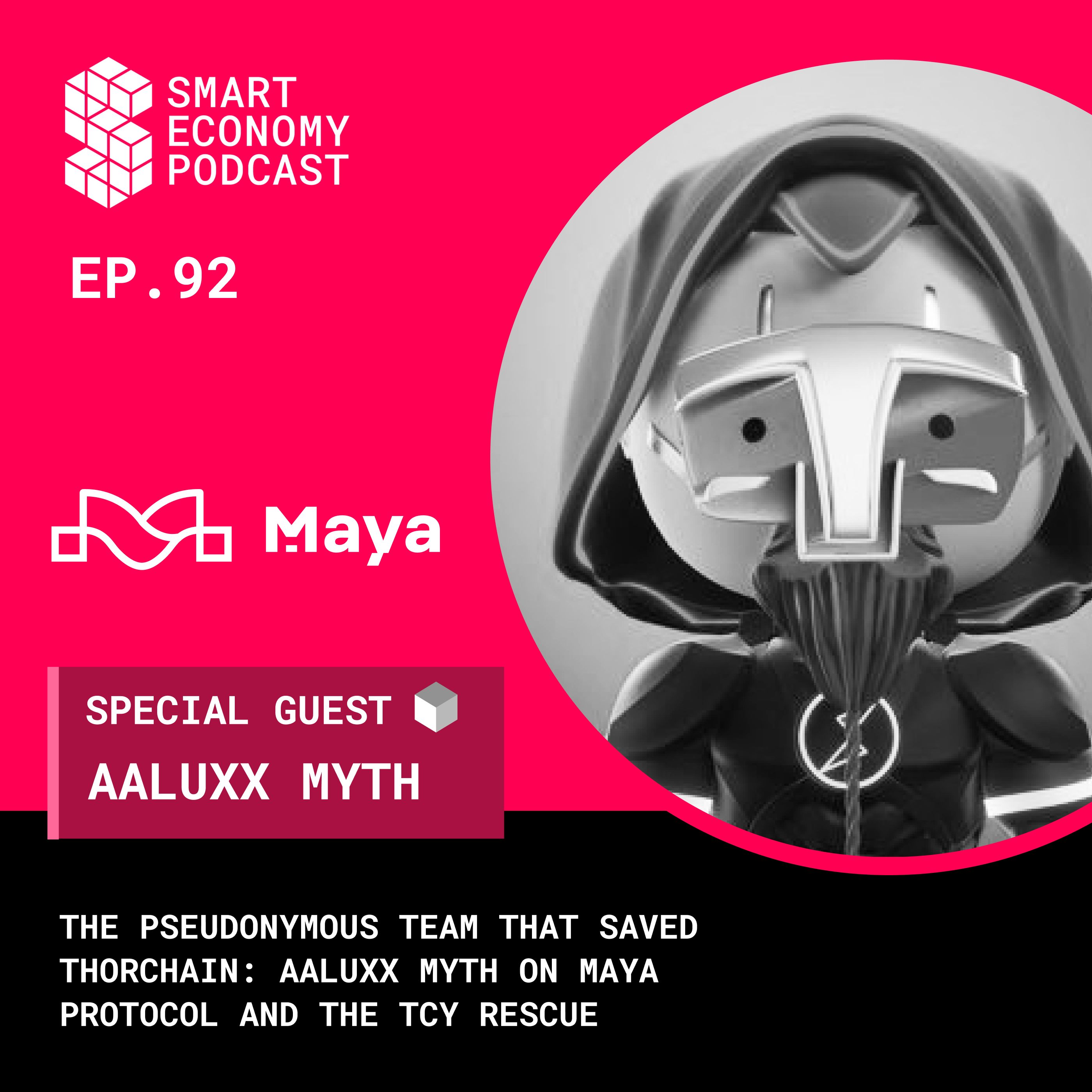
The Pseudonymous Team That Saved THORChain: Aaluxx Myth on Maya Protocol and the TCY Rescue
Jun 19, 202554 minS0
In this episode of The Smart Economy Podcast, host Dylan Grabowski is joined by Aaluxx Myth, co-founder of Maya Protocol, a decentralized liquidity solution enabling native L1-to-L1 token swaps.<br><br><br>What you’ll learn:<br><br>How Maya Protocol's approach to cross-chain liquidity differs from THORChainThe real-world impact of crypto in Latin AmericaHow Prop 6 transformed a potential $500M ecosystem collapse into a sustainable recovery solutionWhy pseudonymous founding teams can enhance security and principle-based development in cryptoThe framework for creating sustainable tokenomics that prioritize swap volume over speculative valueHow crisis management in DeFi can be handled transparently through co...
Recent guests on The Smart Economy Podcast: Real-World Blockchain Applications with Crypto, DeFi, NFTs, and DAOs. Study who booked and why before you pitch.
Every question we get asked before someone starts their trial.
If you have a concern about deliverability, AI quality, data privacy, or whether this will actually work for your specific situation, it's probably answered below.
What is the difference between Founder Solo and Founder Pro?
Founder Solo gives you 50 AI pitches per month using the credit model (Standard pitches cost 1 credit, Enriched pitches cost 2). Founder Pro raises that to 200 credits per month and adds full Booking Probability access, unlimited Magic Match, Apollo enrichment credits, and data export capabilities. Both plans use the same credit system, so you can stretch your monthly budget further by using Standard-mode drafting.
How do agency tiers work?
Agency tiers have no base fee. You pay per managed client and per talent profile. Agency Standard is $199 per client per month; Agency Pro is $399 per client per month. Both add $39 per talent profile per month. Your own team's user seats are always free.
What is a talent profile?
A talent profile represents one person (founder, executive, or spokesperson) you are booking onto podcasts. It includes their bio, topics, headshots, and outreach history. Team plans include 5 profiles; agency plans are pay-as-you-go.
Can I switch plans later?
Yes, at any time. Upgrades take effect immediately; downgrades apply at the end of the current billing period. Contact support if you need help migrating between plan families.
Do you offer a free trial?
Every paid plan includes a 15-day free trial. Your card is saved at signup but you will not be charged until day 16. Cancel any time from your dashboard.
What happens if I cancel?
You keep access until the end of your current billing period. No charges after that. Your data is retained for 30 days in case you reactivate.
Is the 20% annual discount automatic?
Yes. Select Annual on the pricing toggle and the discounted price is applied automatically at checkout. The annual price shown is the full year cost.
What if I have more than 50 profiles or 20 clients?
That is our Enterprise tier. Contact our sales team and we will build a custom plan with volume pricing, a dedicated account manager, and SLA guarantees.