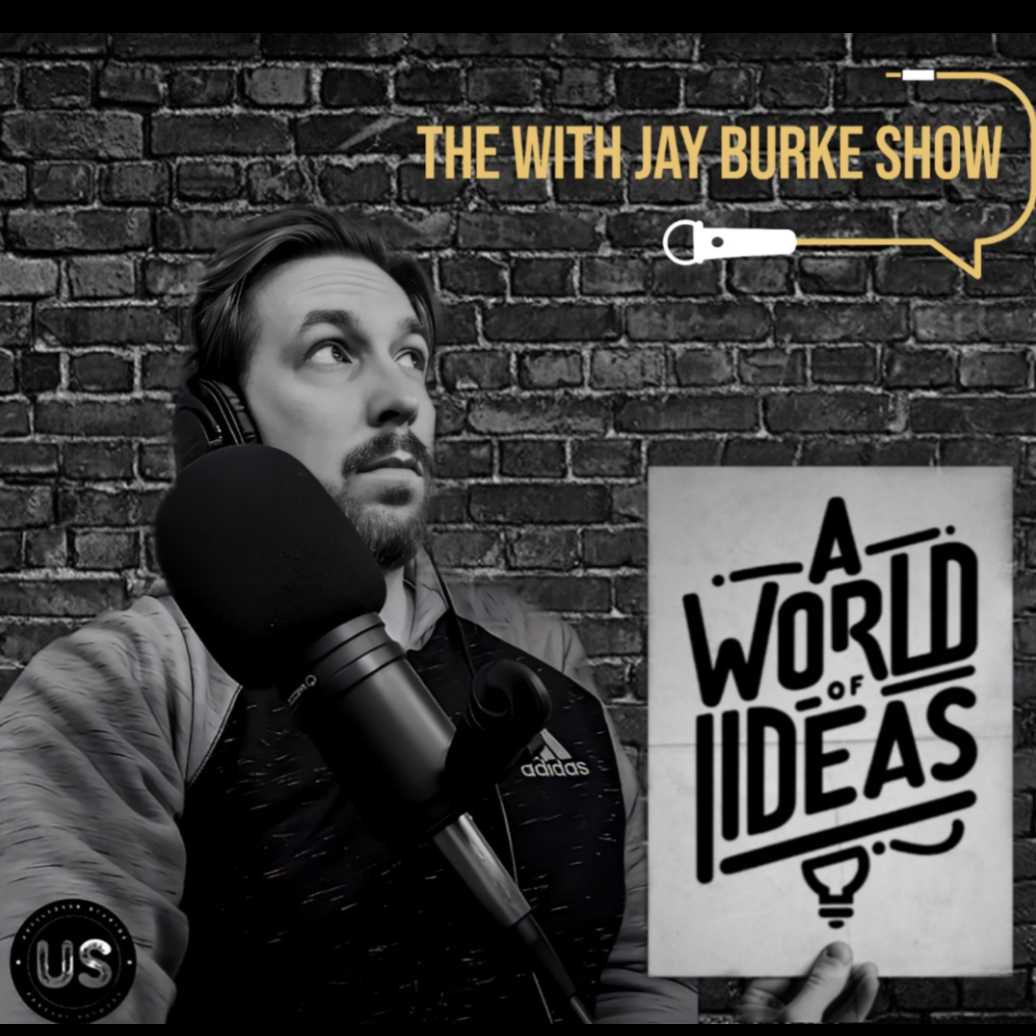
We live in an amazing age, even if we fail to know it. Anything you want to know, want to see, want to look deeper at, or listen to is at your fingertips for the simple fact it’s there…but we appear more confused than ever. The clatter, commotion, and pull of the world around us try to take us in whatever direction it wants. It’s difficult to know where to go and whom to trust. Sometimes, it’s just challenging to have some fun with what’s going on out there.My name is Jason Burke, and though I’m technically the host of this podcast, it’s the guests who truly take top billing. It’s a place for curious minds who enjoy civil, sometimes meandering conversation, appreciate a few laughs, and want to come away with new knowledge or a simple understanding of subjects that aren’t always easy to break down. Join me as we cut through the noise and chaos using experts, educators, authors, influencers, friends, fellow podcasters, people from all walks of life, and sometimes my magical google powe
Pitch Analysis
Required Pod Score for this show. PitchCentric checks your profile against host openness, topical fit, and audience signals before you generate a pitch.
Contact path
Public web form
Booking probability
30%
Guest openness
Selective
80/100
Required Score
Sign up to generate a grounded pitch for The With Jay Burke Show.
The With Jay Burke Show is a society podcast hosted by Jason Burke, with 78 episodes on record and a Required Pod Score of 80. PitchCentric scores this show on Booking Probability, Listen Score, and live audience signals refreshed every 24 hours.
About the host
Jason Burke hosts The With Jay Burke Show, a society show with 78 episodes published.
Our AI reads these to draft pitches. Use them as grounding for a pitch that cites a real guest and a specific topic.
Episode #79
76. How the Web Became a Weapon: A What They Knew Interlude - Part 1
Apr 23, 202636 min
Before the apps and algorithms, there was a different internet. Not the garage-born startup myth, but something built in the shadow of the Cold War - a network designed to survive nuclear war that became the foundation of modern life. For a brief moment, it was public. Funded by taxpayers. Built for research and shared access. Then came the handoff. Not a conspiracy or collapse, but a quiet transition from public to private. From open system to controlled infrastructure. From sharing information to capturing attention. A series of choices that felt small at the time and inevitable in retrospect. This is Part 1 of that story. This interlude explores the history most people never learned: 1957: Sputnik launches. Cold War paranoia births ARPANET—a distributed network designed to survive annihilation. 1991: Congress passes the High-Performance Computing Act. The NREN (National Research and Education Network) promises a publicly controlled internet with guardrails: privacy, equity, security. 1993: While Congress debates, MCI, IBM, and Merit Network quietly build commercial backbones. Their mantra: build it before there's a law to stop it. April 1995: The NSF decommissions its backbone. Overnight, the public web becomes commercial. No conditions. No compensation. The NREN is abandoned mid-construction. What followed wasn't chaos. It was order...the kind only capital can impose. This is Part 1 of a 2-part interlude. Standalone listening or part of the "What Radiohead Knew" series. Part 2 coming soon: The architects of enclosure. The legal frameworks that locked the doors. And how hope became our greatest weakness. The With Jay Burke Show is a member of the Unfiltered Studios https://www.unfpod.com/ Please be sure to Rate and Review this episode. Subscribe and Share Visit me @jayburkeshow.podbean.com Email me at: jayburkeshow@gmail.com Twitter/Instagram: @jayburkeshow TikTok: @jayburke17
75. What Radiohead Knew Too - The Future was Already Happening
Dec 8, 20251h 18m
As part of the What They Knew series, Part II of What Radiohead Knew follows an android Mother teaching her child about time — how it shaped humanity… and how they broke under the forces gathering at the end of the century. As Thom Yorke spirals into the making of Kid A, the world outside fractures: Y2K, the dot-com bubble bursts, the internet becomes a second bloodstream, and culture slips into the uncanny. But something else is waking. In the static, the child hears the Conductor — a voice tied to humanity’s fall, murmuring of grief, progress, and impossible forces. As one century collapses and Kid A emerges, one truth surfaces: no one survives the future unchanged. This is the story of a band trying to outrun fame, a world trying to outrun itself, and a machine child standing at the edge of a revelation it may not be ready to face. Intro music: “Monkey House” by Evan Toth. Grateful for Evan’s generosity in letting this track set the tone for What They Knew. **The sections discussing Radiohead were informed by research conducted by Stephen Hyden, particularly his book This Isn’t Happening , and I want to acknowledge and credit his work accordingly. Please Check it out.** Further Exploration: “Exit Music: The Radiohead Story” by Mac Randall (2000) “Radiohead’s OK Computer: An Oral History” by Rolling Stone (2017) “The Age of Surveillance Capitalism” by Shoshana Zuboff (2019) “The Big Nine: How the Tech Titans and Their Thinking Machines Could Warp Humanity” by Amy Webb (2019) "The Birth of The Web" CERN “The Master Switch: The Rise and Fall of Information Empires” by Tim Wu (2010) “Why the Future Doesn't Need Us” by Bill Joy, Wired Magazine (2000) "Tim Berners-Lee on 30 years of the World Wide Web: We can get the web we want." The Guardian (2019) The With Jay Burke Show is a member of the Unfiltered Studios https://www.unfpod.com/ Please be sure to Rate and Review this episode. Subscribe and Share Visit me @jayburkeshow.podbean.com Email me at: jayburkeshow@gmail.com Twitter/Instagram: @jayburkeshow TikTok: @jayburke17
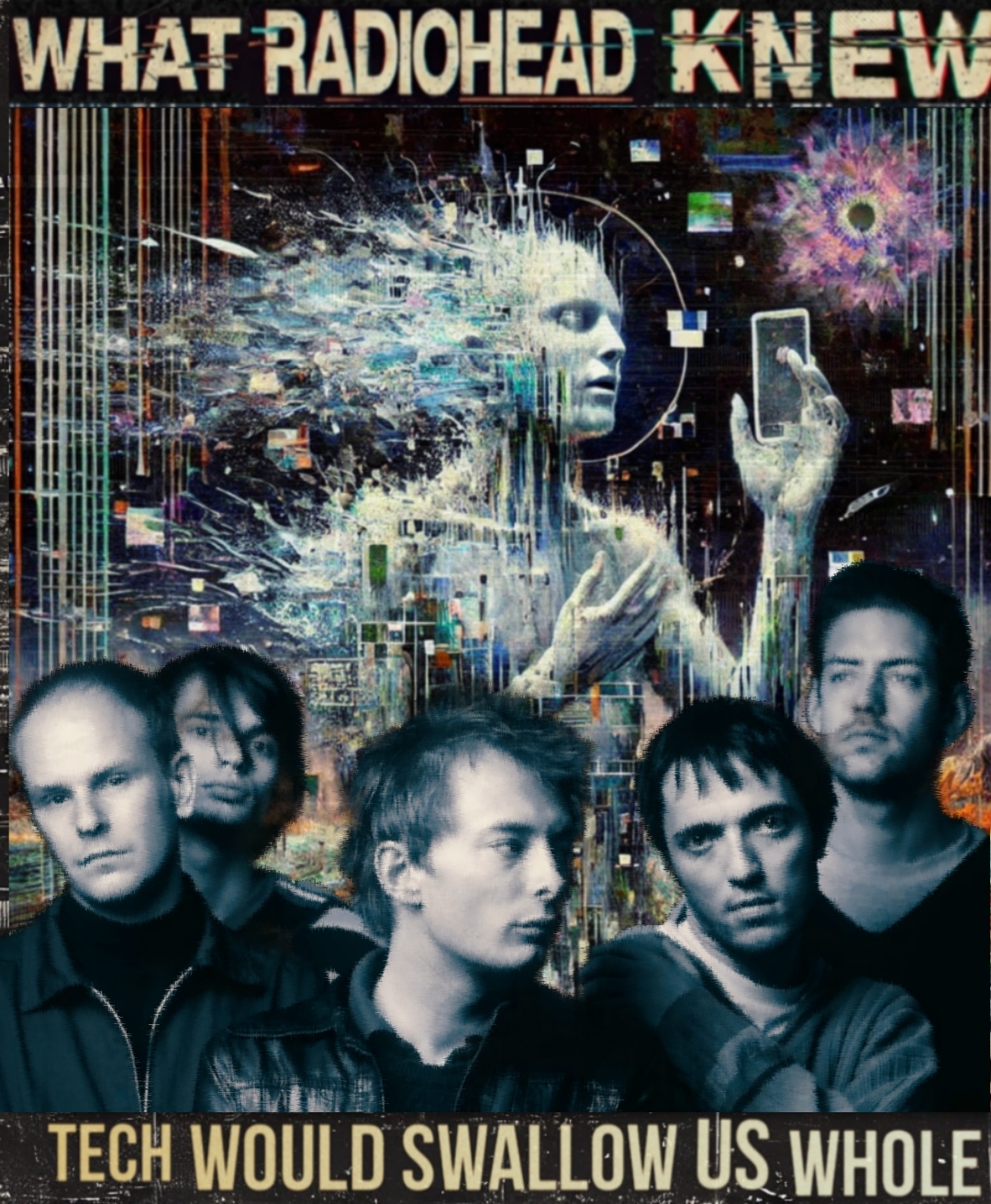
74. What Radiohead Knew - Tech Would Swallow Us Whole
Feb 19, 20251h 4mS0
<p>Radiohead didn’t predict the future—they just paid attention.</p>
<p>This Episode is a deep dive into how OK Computer was never just an album, but a premonition. A warning. A status update we ignored.</p>
<p>Through a blend of storytelling, history, and eerie parallels, we explore how a 1997 album captured the creeping unease of a world being swallowed by technology—from corporate surveillance to algorithmic control to the silent loss of human agency.</p>
<p>Was OK Computer just an ambitious rock record? Or was it a glimpse into a future we were already hurtling toward...
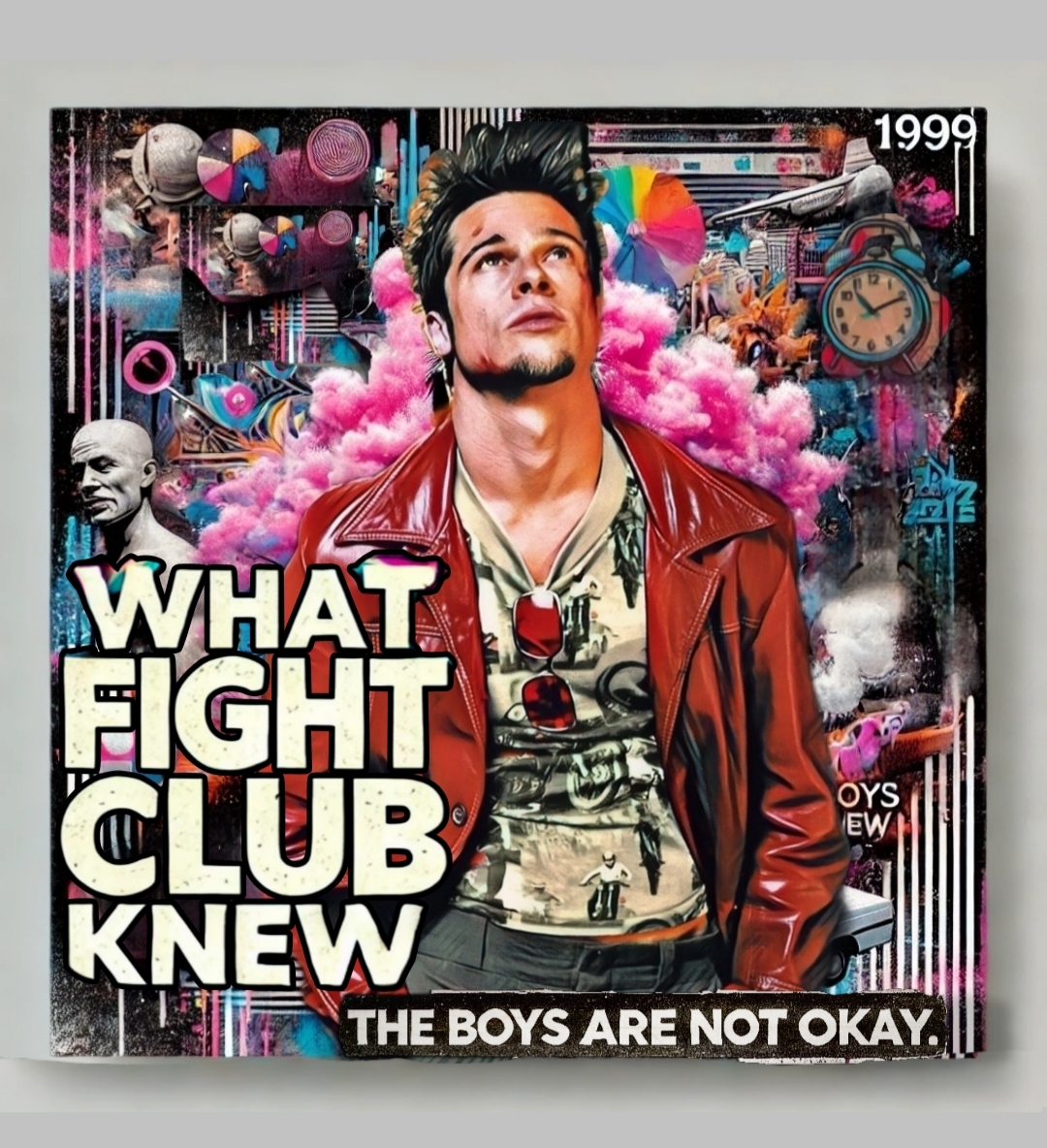
<p>1999 wasn’t just the dawn of a new millennium; it was a cultural crossroads, marked by paranoia, violence, and simmering societal tensions. Amidst this chaos came Fight Club, a dark, satirical film that didn’t just critique consumerism and masculinity—it predicted the struggles of men today.</p>
<p>In this episode, we explore how Fight Club foresaw the alienation, disconnection, and crises of identity plaguing men in 2025. From absent fathers to toxic masculinity and the rise of chaos-driven politics, we unpack the film’s warnings and examine its misunderstood legacy. Why does Tyler Durden remain an icon for the very...
72. Atomic Decisions: Revisiting the Ethics of the Bomb & Beyond
Dec 10, 20241h 35mS0
<p>Brandon from FDR’s Wheelchair joins Jay to explore one of history's most controversial decisions—the dropping of atomic bombs on Hiroshima and Nagasaki.</p>
<p>Together, they unpack the moral and strategic debates, the roles of key figures like Truman and FDR, and the global aftermath. With historical insight and a touch of humor, they dive into how these decisions shaped geopolitics and the Cold War's nuclear arms race.</p>
<p>Tune in for a mix of history, ethics, and thoughtful dialogue on one of modern history's pivotal moments.</p>
<p> </p>
<p>Brandon - FDR's Wheelchair Podcast</p>
L...
Every question we get asked before someone starts their trial.
If you have a concern about deliverability, AI quality, data privacy, or whether this will actually work for your specific situation, it's probably answered below.
What is the difference between Founder Solo and Founder Pro?
Founder Solo gives you 50 AI pitches per month using the credit model (Standard pitches cost 1 credit, Enriched pitches cost 2). Founder Pro raises that to 200 credits per month and adds full Booking Probability access, unlimited Magic Match, Apollo enrichment credits, and data export capabilities. Both plans use the same credit system, so you can stretch your monthly budget further by using Standard-mode drafting.
How do agency tiers work?
Agency tiers have no base fee. You pay per managed client and per talent profile. Agency Standard is $199 per client per month; Agency Pro is $399 per client per month. Both add $39 per talent profile per month. Your own team's user seats are always free.
What is a talent profile?
A talent profile represents one person (founder, executive, or spokesperson) you are booking onto podcasts. It includes their bio, topics, headshots, and outreach history. Team plans include 5 profiles; agency plans are pay-as-you-go.
Can I switch plans later?
Yes, at any time. Upgrades take effect immediately; downgrades apply at the end of the current billing period. Contact support if you need help migrating between plan families.
Do you offer a free trial?
Every paid plan includes a 15-day free trial. Your card is saved at signup but you will not be charged until day 16. Cancel any time from your dashboard.
What happens if I cancel?
You keep access until the end of your current billing period. No charges after that. Your data is retained for 30 days in case you reactivate.
Is the 20% annual discount automatic?
Yes. Select Annual on the pricing toggle and the discounted price is applied automatically at checkout. The annual price shown is the full year cost.
What if I have more than 50 profiles or 20 clients?
That is our Enterprise tier. Contact our sales team and we will build a custom plan with volume pricing, a dedicated account manager, and SLA guarantees.