The World in Time / Lapham’s Quarterly
A Broken World: Annie Dillard and Lewis H. Lapham
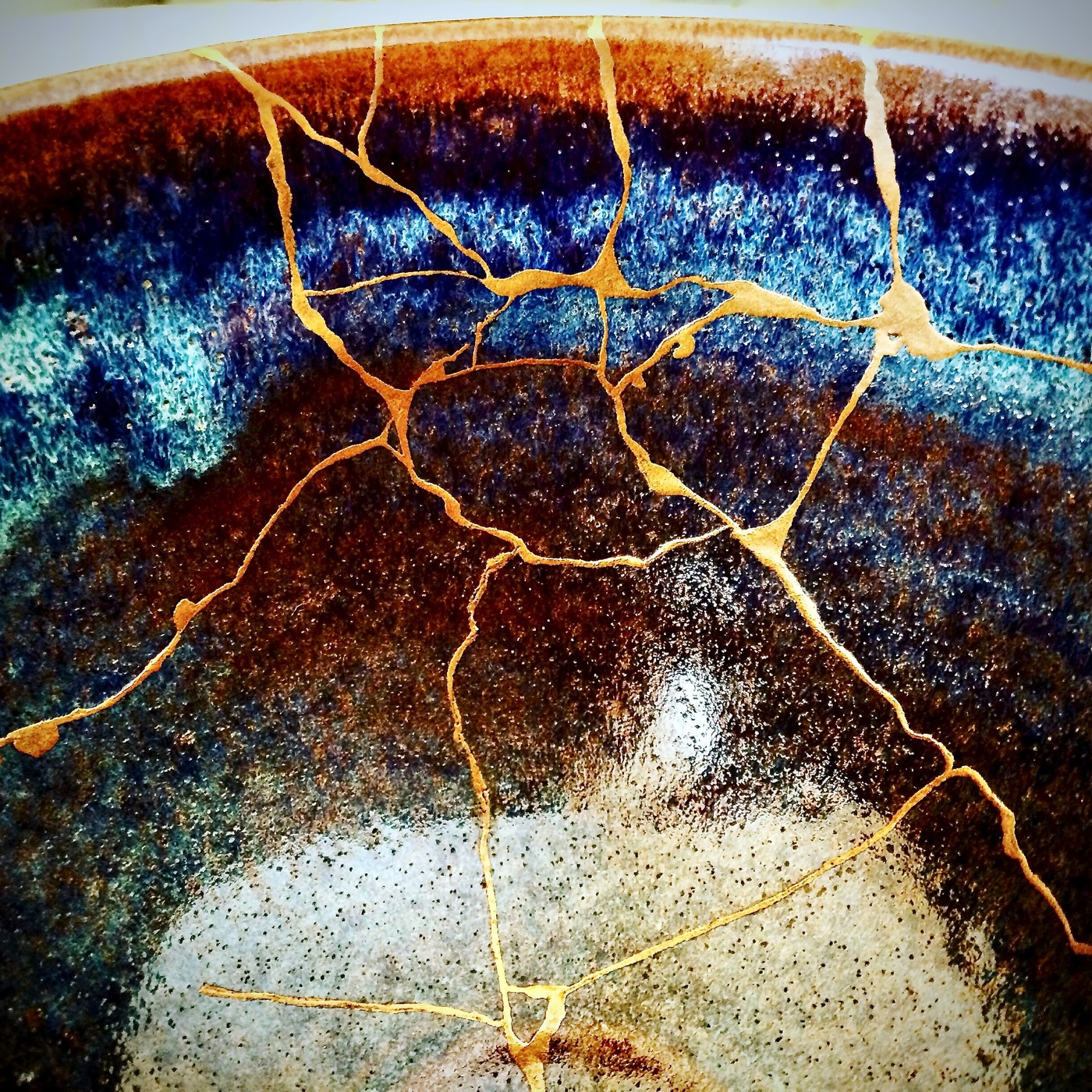
“Rabbi Luria’s Kabbalist creation story, however baroque, accounts boldly for both moral evil and natural calamity,” Annie Dillard wrote in her 1999 book, For the Time Being. “The creator meant his light to emanate, ultimately, to man. Grace would flow downward through ten holy vessels, like water cascading. Cataclysm—some say creation itself—disrupted this orderly progression. The holy light burst the vessels. The vessels splintered and scattered. Sparks of holiness fell to the depths, and the opaque shards of the broken vessels imprisoned them. This is our bleak world.” This week on the podcast, Donovan Hohn commemorates the life and work of Annie Dillard, member of the Quarterly ’s editorial board, frequent contributor to its pages, and friend for half a century of Lewis H. Lapham, who first began editing Dillard’s essays in the early 1970s. Hohn shares passages from Dillard’s work along with audio of remarks, delivered in the year 2000 on the 150th anniversary of Harper’s Magazine , in which Dillard explained how she came to write for Lapham and why she kept writing for him. Hohn also shares a pair of letters that Dillard and Lapham exchanged in August 1974, following her return from the Galápagos. The episode doubles as the prologue to a new series of conversations that we are calling A Broken World , the title for which comes from a new book by Roger Berkowitz, A World We Share: Hannah Arendt and the Power of Friendship in a Broken World. As introduction to the series, this episode concludes with the unabridged audio of the keynote address that Lewis Lapham delivered at the Hannah Arendt Center for Politics and Humanities in 2011. Further Reading “ Dear Lewis, Dear Annie ,” Lapham’s Quarterly website, September 17, 2026. “ Voices: Annie Dillard, In Memoriam ,” Lapham’s Quarterly Substack, September 23, 2026. Lapham’s Quarterly brings voices from the past up to the microphone of the present. Back issues are available for purchase on our website . To make a tax-deductible gift, visit the donation portal hosted by Bard College’s Hannah Arendt Center for Politics and Humanities. You can find information about the Quarterly’s ongoing revival here . Photo credit: Bowels of the Earth – Water, by Naoko Fukumaru, 2020. Earthenware, urushi lacquer, resin, and 23.5K gold. Kintsugi transformation. 12 cm. © Naoko Fukumaru. Courtesy of the artist. See Privacy Policy at https://art19.com/privacy and California Privacy Notice at https://art19.com/privacy#do-not-sell-my-info .