
theFormed.life
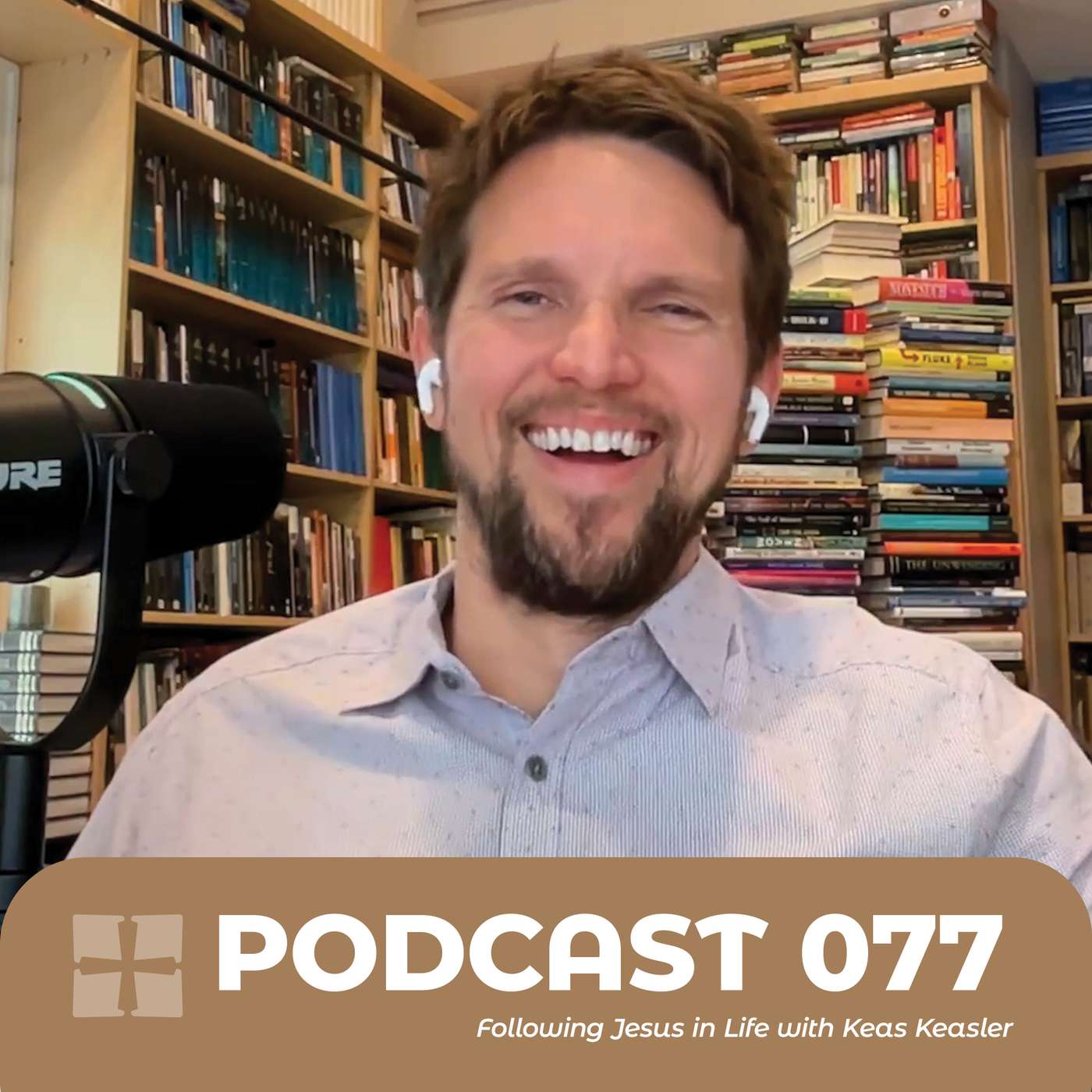
POD 077 | Following Jesus in Life with Keas Keasler
Title Following Jesus in Life | POD 077 Hosts: Jacob Nannie & Paul Brandes Guests: Keas Keasler Introduction In this episode, Paul Brandes and Jacob Nannie interview Keas Keasler about his book Kingdom Apprenticeship , exploring Dallas Willard’s ideas on spiritual formation, apprenticeship to Jesus, and how these concepts impact everyday life and the church’s mission. 3 Main Takeaways 1) Apprenticeship to Jesus Over Sin Management Keas Keasler stresses that Dallas Willard's core invitation is not just practicing spiritual disciplines or managing sin, but becoming apprentices to Jesus—a "learning friendship with a living person" that shapes both individual character and community (06:40, 10:28). 2) Integration of Spiritual Formation and Missional Living A key motivation for Keas Keasler's book, Kingdom Apprenticeship , was to bridge the often separate worlds of spiritual formation and missional living, helping Christians see that true transformation involves both inward change and outward engagement (02:20, 06:17). 3) Everyday Life as Spiritual Formation The episode highlights Willard’s “Golden Triangle” concept, especially the idea that ordinary life events and daily decisions are crucial to spiritual growth. Apprenticeship happens not just in church or through disciplines, but in how we live and make choices in all of life, especially in the mundane "Monday world" (31:05, 32:21). Resources Kingdom Apprenticeship The Divine Conspiracy The Spirit of the Disciplines Timestamps 01:24: Paul Brandes asks Keas Keasler about the motivation behind writing Kingdom Apprenticeship and what the core invitation is in Dallas Willard's work that the church needs to recover. 06:40: Keas explains that Dallas Willard was ultimately about apprenticeship to Jesus, not just spiritual disciplines, highlighting the need for real-life apprenticeship as key to personal and societal transformation. 10:28: Keas introduces the concept of "intelligent mysticism," describing a relational, experiential knowing of Jesus rather than just knowing about him. 31:05: Keas describes Dallas Willard’s "Golden Triangle” of spiritual formation, emphasizing the role of ordinary events of life (not just spiritual disciplines) in forming character and apprenticeship to Jesus. 35:09: Keas discusses the difference between merely trying and intentional training in spiritual life, using examples from athletics and the civil rights movement to illustrate the importance of training for Christlike character. Keywords Dallas Willard, Spiritual formation, Missional vision, Apprenticeship, Discipleship, Character formation, Intelligent mysticism, Kingdom Apprenticeship, Learning friendship, Community Holy Spirit, Spiritual disciplines, Ordinary life, Mentoring, Training vs. trying