Episode #26
Ep 26: Eating Off The Beaten Path - Korean Comfort Food | Eat Like a Local
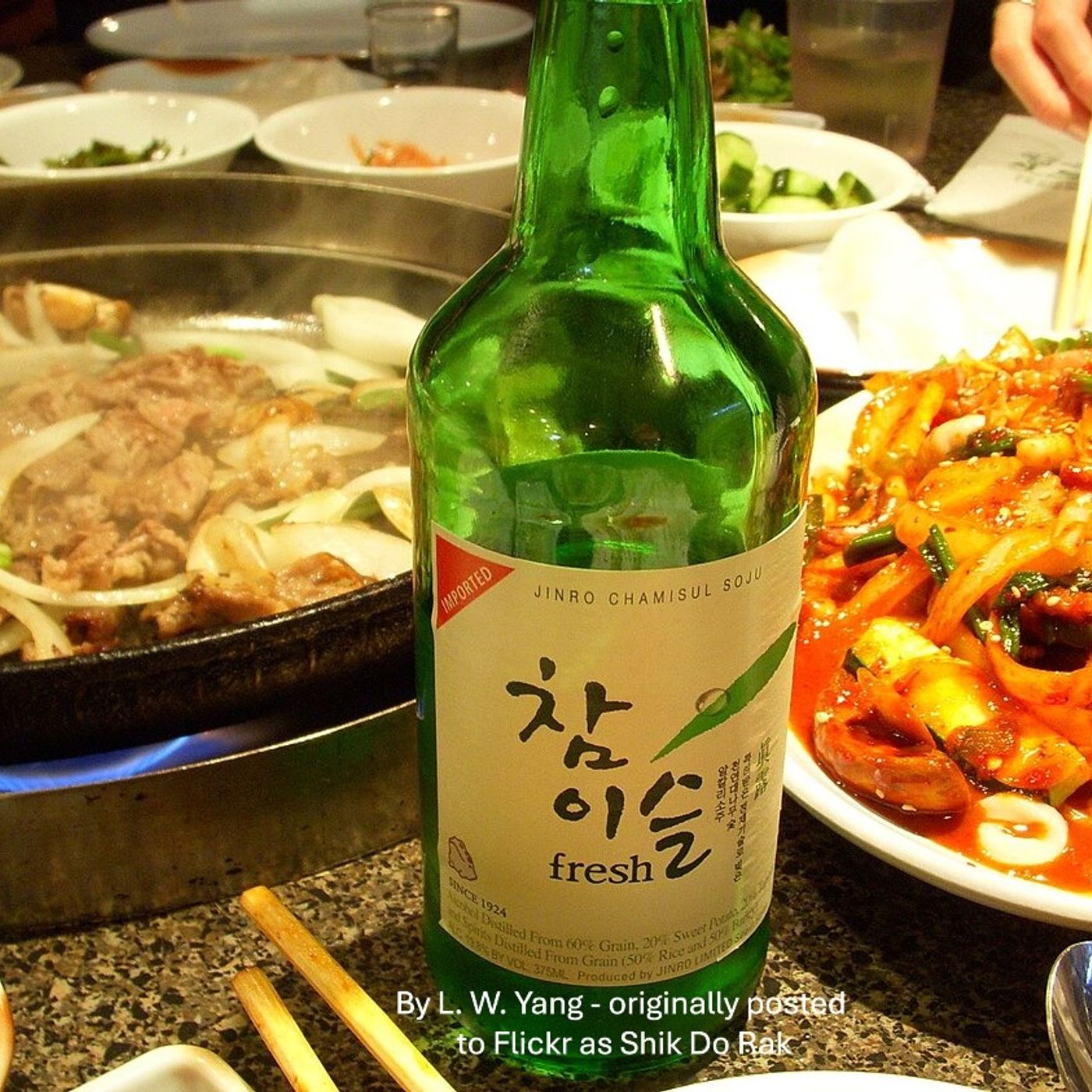
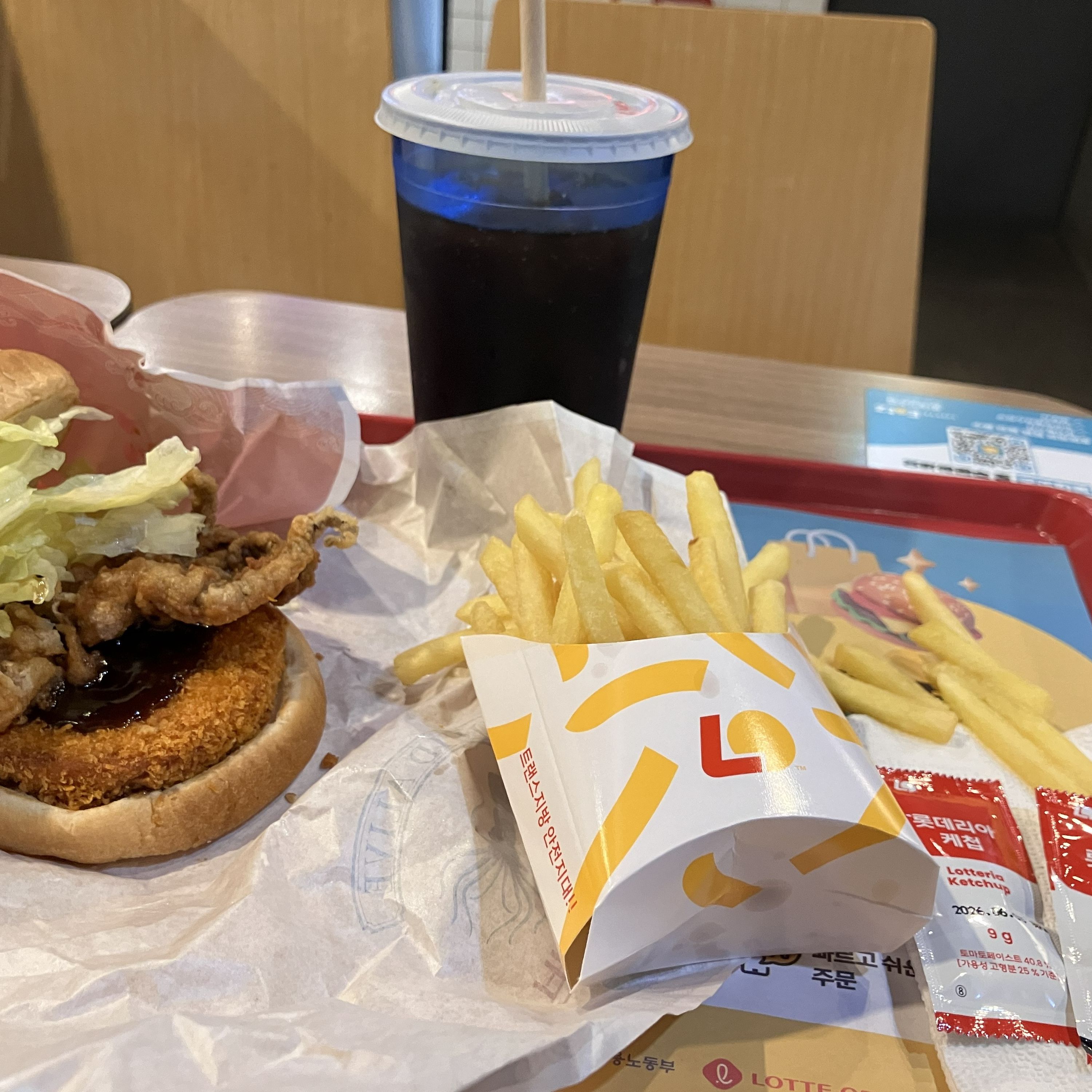
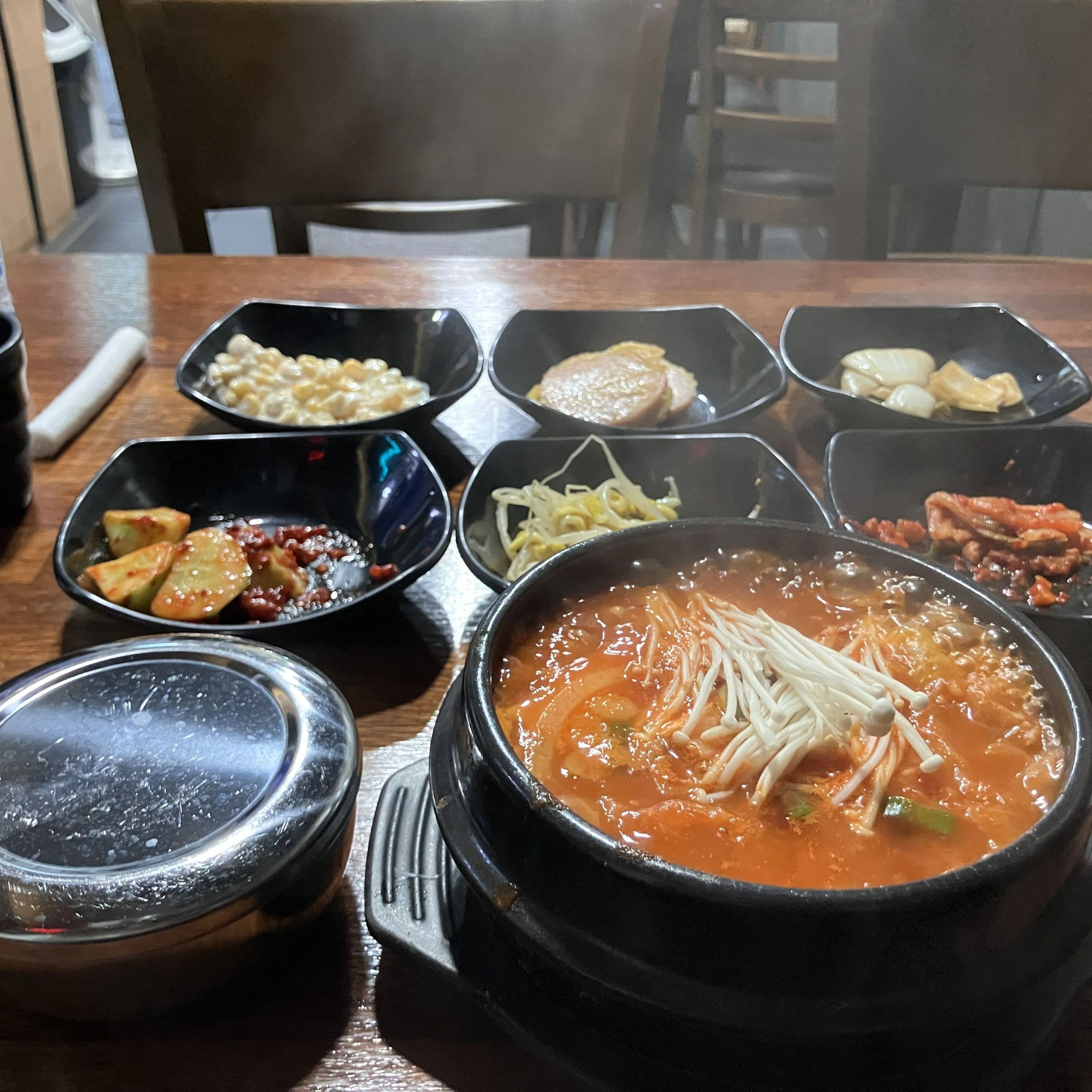
Ed tests a hypothesis: is comfort food just anju minus alcohol? Sora says not quite. This episode covers the hearty, unglamorous Korean foods that locals turn to when they need warmth, stress relief, or a cure for last night's soju. Ed and Sora walk through the practical challenges of ordering at real Korean restaurants (no English menus, no English speakers, intimidating pace) and share tactics for navigating them. They cover sundubu (spicy soft tofu stew), haejangguk (hangover soup), kimchi jjigae, doenjang jjigae, baekban (home-style meal sets), and Jeju's own gogi-guksu. They also explore why Koreans reach for crazy-spicy food when stressed, and how temporarily replacing emotional pain with physical pain might actually work. Key Takeaways Comfort food restaurants are intimidating for visitors: all-Korean menus, no English, fast pace, not Instagrammable; but they're cheap, delicious, and worth the effort Finding comfort food: search Korean terms on KakaoMap or NaverMap; check photos for menus before arriving; use Google Translate or AI on menu photos Ordering tactic: order the first item on the menu (it's usually the specialty); use numbers and gestures ("이거 둘 주세요" or just "this one, two please") Self vs. Service: "Self" (셀프) means self-service (help yourself to banchan); "Service" (서비스) means a freebie/comp from the owner Sundubu (순두부): spicy soft tofu stew; Ilpoom Sundubu (일품순두부) is a popular chain with locations across Jeju offering unlimited banchan buffets (10,000-12,000 won); the Oedo branch has 30+ side dishes including soy sauce crab, fried chicken, tteokbokki Nurungji becomes sungnyung: the burnt rice at the bottom of the stone pot becomes a palate-cleansing soup when you add hot water and let it steep while eating Haejangguk (해장국): "hangover soup" with variations including beef, bean sprout, pollack, intestine, or blood block (seonji); eaten any time, not just after drinking; popular with ajusshi crowd Other staples: kimchi jjigae (kimchi stew), doenjang jjigae (soybean paste stew), baekban (home-style meal sets with rice, soup, and banchan) Jeju specialty: gogi-guksu (고기국수), pork noodle soup made from pork meat broth (not bone broth like Japanese ramen); there's a whole street for it near the Jeju Folklore & Natural History Museum Stress eating Korean-style: Koreans eat crazy-spicy food when stressed (dakbal, buldak bokkeum myeon, tteokbokki); the theory is that physical pain temporarily overwhelms emotional pain Next Steps Blog post: vamosajeju.com/comfort Plan your Jeju trip at vamosajeju.com/trip Follow @vamosajeju on Instagram, TikTok, and Facebook Subscribe to our YouTube channel @vamosajeju Share the show!