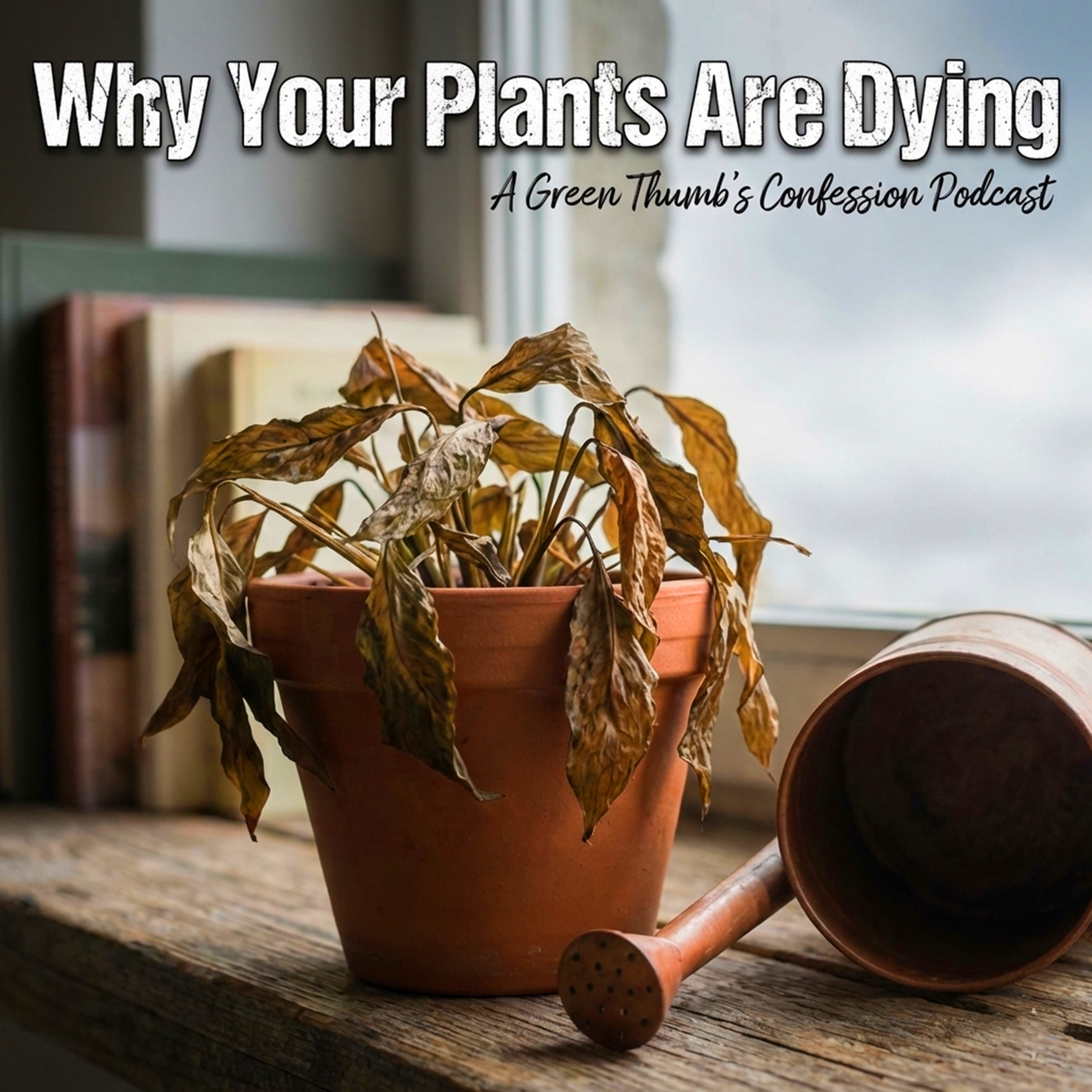
Why Your Plants Are Dying is a practical, science-focused gardening podcast for home gardeners who are tired of confusing, contradictory advice. If your plants keep dying, turning yellow, growing weak, or refusing to flower or fruit — even though you water them, fertilize them, and follow online tips — this podcast is for you. Each episode: Takes one common plant problem Explains what gardeners usually do wrong Breaks down what science and horticulture say actually matters Separates myths, trends, and marketing from real plant biology We cover soil health, watering mistakes, nutrients, light, pests, diseases, composting, fertilizers, indoor plants, vegetable gardens, and popular gardening myths — in simple language anyone can understand. No fluff. No trends. No TikTok hacks. Just clear explanations so you can stop guessing and start growing healthy plants.
Pitch Analysis
Required Pod Score for this show. PitchCentric checks your profile against host openness, topical fit, and audience signals before you generate a pitch.
Contact path
Verified email
Booking probability
21%
Guest openness
Selective
Verified email on file
80/100
Required Score
Sign up to generate a grounded pitch for Why Your Plants Are Dying?.
Why Your Plants Are Dying? is a leisure podcast hosted by abdelhamid bou ikhessayen, with 30 episodes on record and a Required Pod Score of 80. PitchCentric scores this show on Booking Probability, Listen Score, and live audience signals refreshed every 24 hours.
About the host
abdelhamid bou ikhessayen hosts Why Your Plants Are Dying?, a leisure show with 30 episodes published.
Our AI reads these to draft pitches. Use them as grounding for a pitch that cites a real guest and a specific topic.
Episode #4
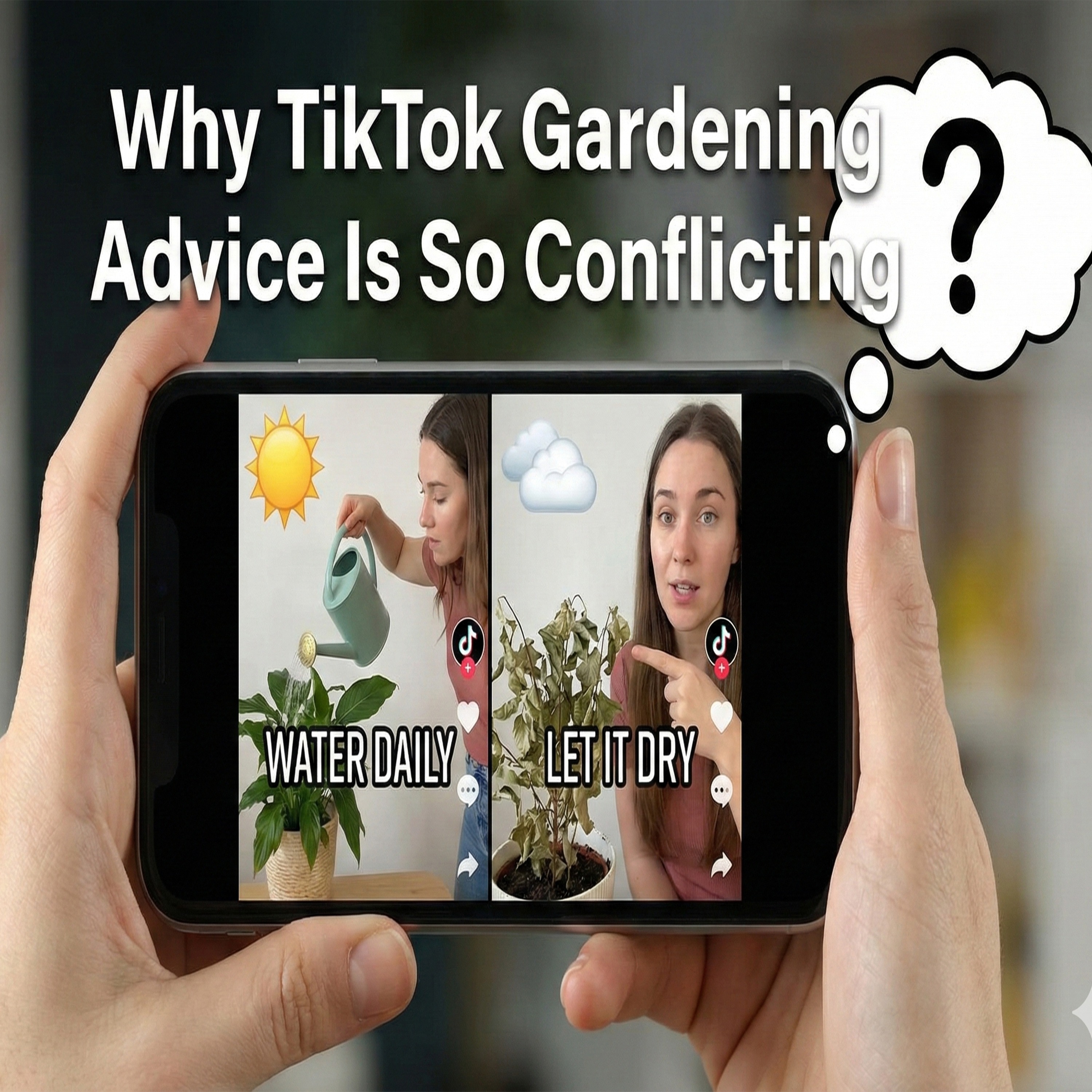
Why TikTok Gardening Advice Is So Conflicting
Feb 15, 202615 minS7
<p>This Episode analyze the intersection of horticultural practices and digital media trends, with a particular focus on the influence of TikTok on modern gardening. Expert contributors evaluate popular "hacks"—such as using banana peels as fertilizer or volcano mulching—to distinguish between scientifically sound advice and harmful misinformation. The collective text addresses the TikTok algorithm's role in promoting viral but often oversimplified content, contrasting this with research-backed guidance from Extension services and experienced botanists. Additionally, the materials cover technical aspects of social media marketing, including affiliate commissions and content creator strategies within the platform's e-commerce ecosystem. By examining specific plan...
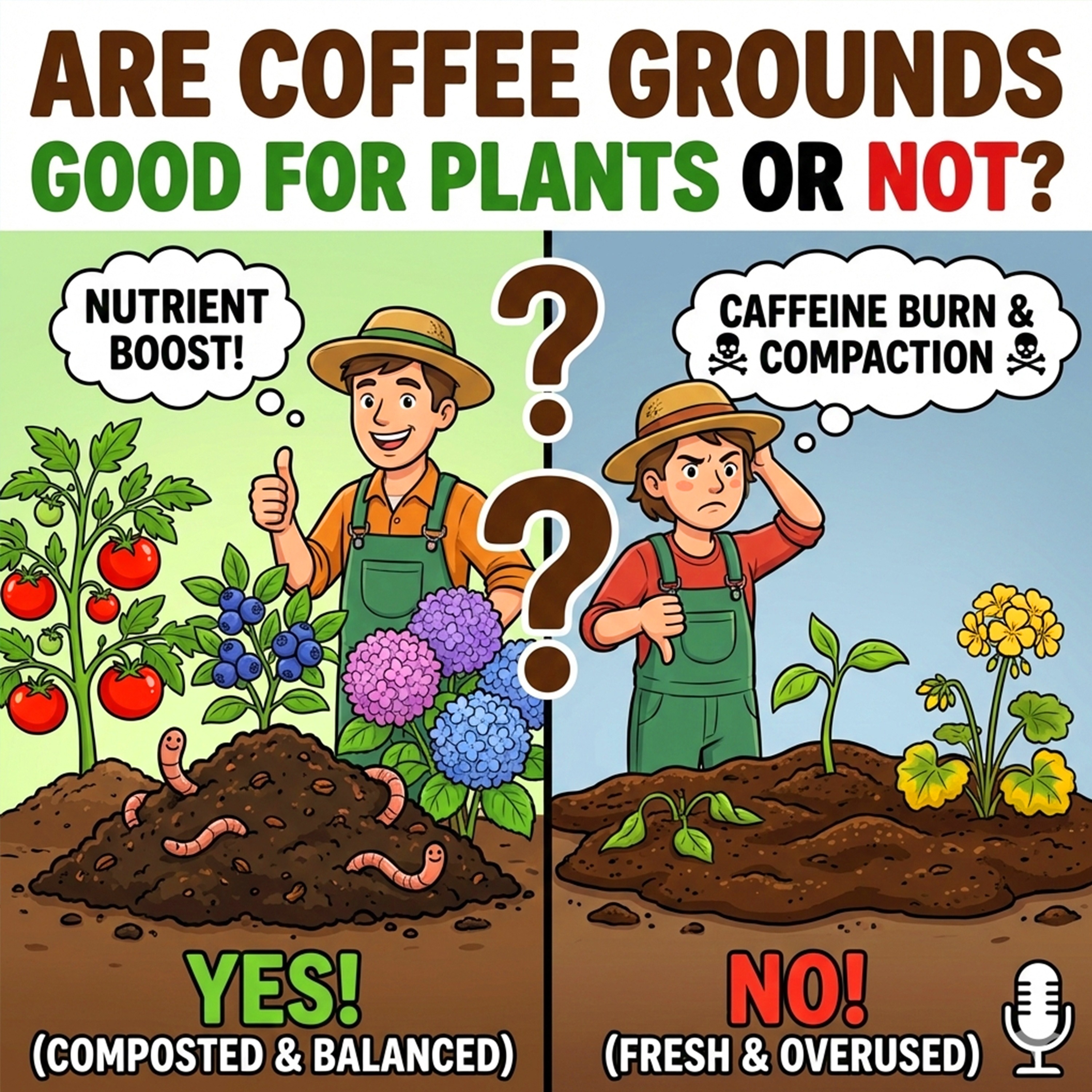
<p>This Episode examine the diverse impacts of repurposing coffee grounds in gardening, agriculture, and waste management. While grounds provide essential nutrients like nitrogen and attract beneficial earthworms, they can be harmful to acid-sensitive plants, seeds, and young seedlings due to residual caffeine. Research highlights caffeine’s allelopathic properties, which can inhibit the growth of certain weeds and pathogens but may also disrupt soil bacteria and prove toxic to pets. Experts generally recommend composting grounds before use to stabilize pH levels and reduce chemical intensity. Furthermore, the text explores specialized applications, such as using grounds to foster predatory fungi or as...
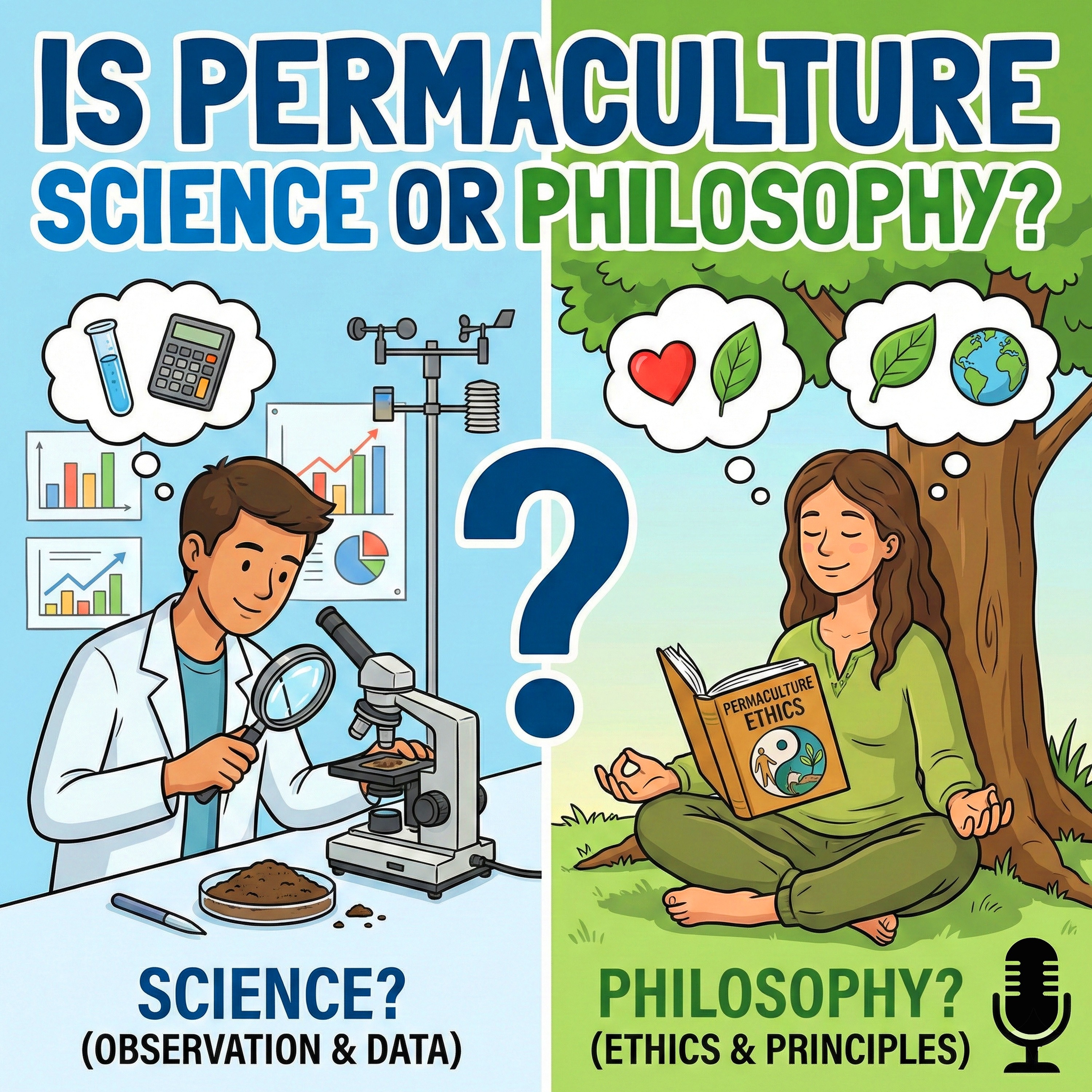
<p>This Episode collectively explore permaculture and social ecology as holistic frameworks for designing sustainable, resilient human habitats by imitating natural ecosystems. The texts outline core methodologies such as forest gardening, water harvesting, and soil building through techniques like sheet mulching and hugelkultur. Beyond practical gardening, the authors examine the scientific evidence and philosophical foundations of these systems, connecting them to concepts of agroecology and dialectical naturalism. They emphasize a move away from industrial agriculture toward polycultures and integrated designs that favor renewable resources and biological diversity. Furthermore, the documents address the economic and social dimensions of ecological living, advocating...
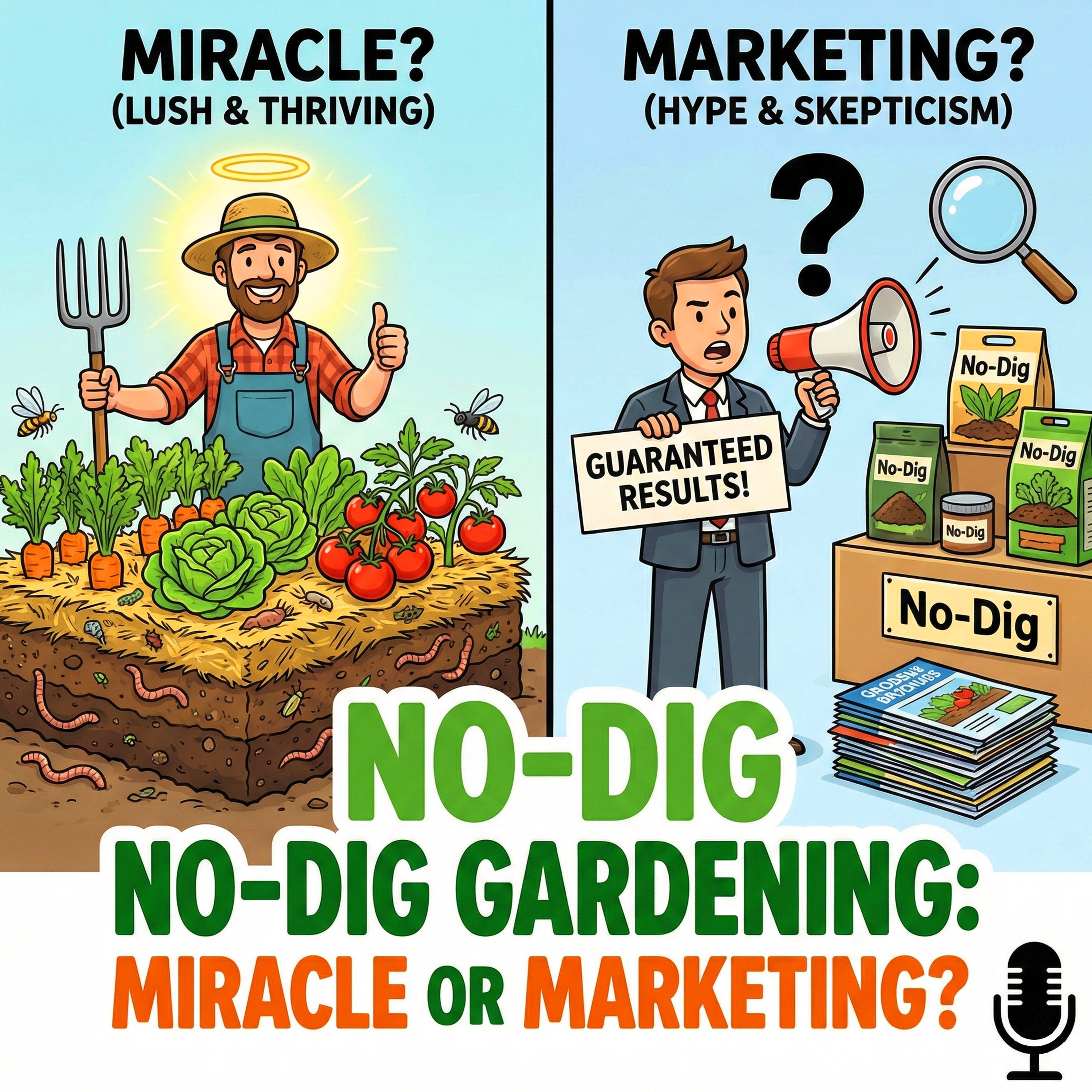
<p>This episode examine the no-dig gardening method, an approach that prioritizes soil health and minimal disturbance over traditional tilling. Proponents like Charles Dowding and Ruth Stout argue that applying organic mulch or compost directly onto the surface preserves fungal networks and beneficial organisms, leading to higher yields and fewer weeds. While the technique offers climate resilience and labor savings, some growers note challenges such as waterlogged soil, the high cost of quality compost, and the difficulty of managing perennial weeds. Scientific perspectives further support these methods by highlighting their role in carbon sequestration and the protection of the soil...
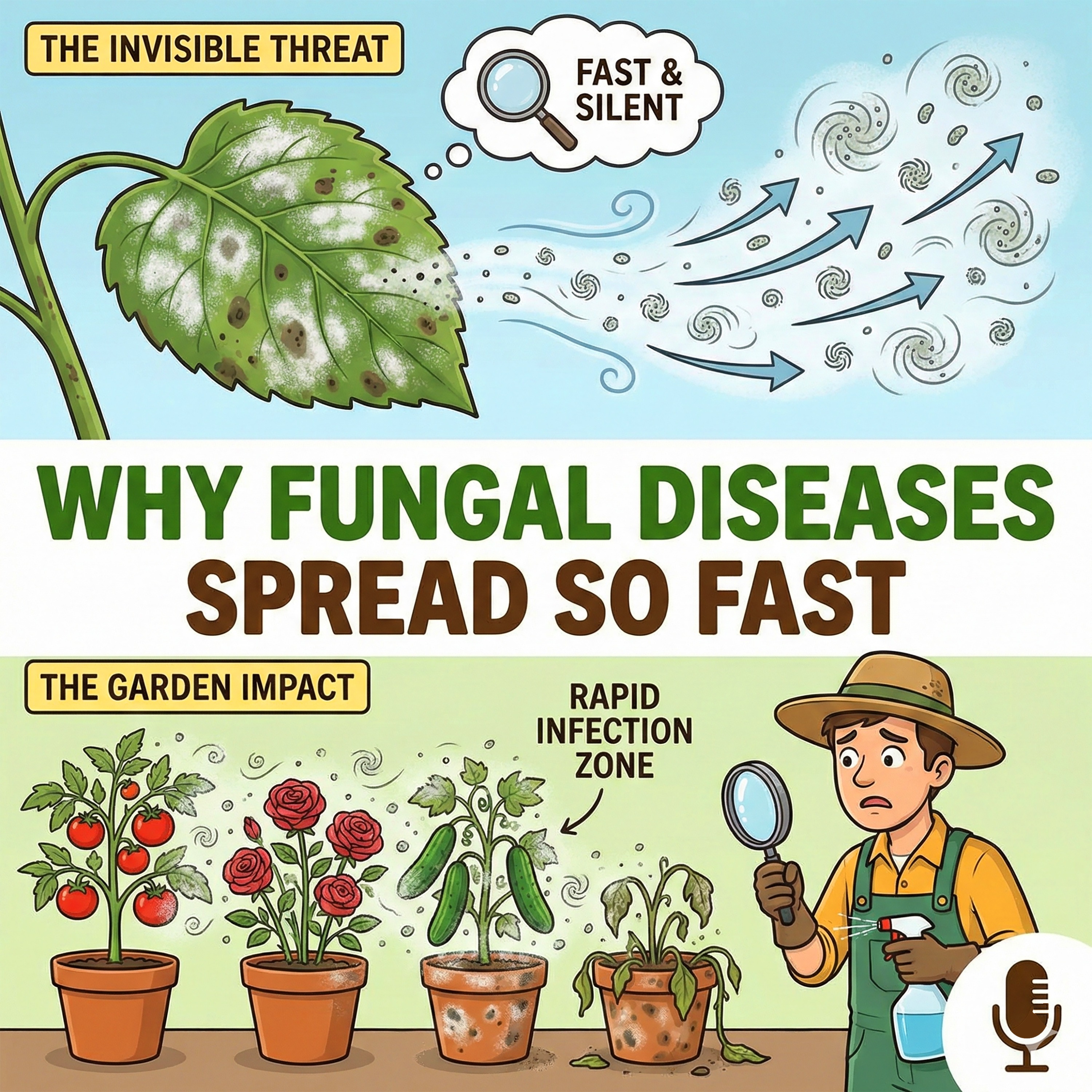
<p>This Episode examine the growing global threat of fungal pathogens to human, animal, and plant health within the context of globalization and climate change. Rapid environmental shifts and international trade facilitate the spread of invasive species, such as the multidrug-resistant Candida auris and virulent wheat stem rust. The texts highlight how antifungal resistance is exacerbated by the overlapping use of similar chemical treatments in both clinical and agricultural settings. To mitigate these risks, researchers advocate for the One Health approach, which integrates human, veterinary, and environmental monitoring. Innovative solutions discussed include genetic diversity exploitation, advanced air-sampling technologies, and novel...
Every question we get asked before someone starts their trial.
If you have a concern about deliverability, AI quality, data privacy, or whether this will actually work for your specific situation, it's probably answered below.
What is the difference between Founder Solo and Founder Pro?
Founder Solo gives you 50 AI pitches per month using the credit model (Standard pitches cost 1 credit, Enriched pitches cost 2). Founder Pro raises that to 200 credits per month and adds full Booking Probability access, unlimited Magic Match, Apollo enrichment credits, and data export capabilities. Both plans use the same credit system, so you can stretch your monthly budget further by using Standard-mode drafting.
How do agency tiers work?
Agency tiers have no base fee. You pay per managed client and per talent profile. Agency Standard is $199 per client per month; Agency Pro is $399 per client per month. Both add $39 per talent profile per month. Your own team's user seats are always free.
What is a talent profile?
A talent profile represents one person (founder, executive, or spokesperson) you are booking onto podcasts. It includes their bio, topics, headshots, and outreach history. Team plans include 5 profiles; agency plans are pay-as-you-go.
Can I switch plans later?
Yes, at any time. Upgrades take effect immediately; downgrades apply at the end of the current billing period. Contact support if you need help migrating between plan families.
Do you offer a free trial?
Every paid plan includes a 15-day free trial. Your card is saved at signup but you will not be charged until day 16. Cancel any time from your dashboard.
What happens if I cancel?
You keep access until the end of your current billing period. No charges after that. Your data is retained for 30 days in case you reactivate.
Is the 20% annual discount automatic?
Yes. Select Annual on the pricing toggle and the discounted price is applied automatically at checkout. The annual price shown is the full year cost.
What if I have more than 50 profiles or 20 clients?
That is our Enterprise tier. Contact our sales team and we will build a custom plan with volume pricing, a dedicated account manager, and SLA guarantees.