Loading…

Loading…

government administration
The State of Delaware, known as "The First State," is a U.S. state government that ratified the U.S. Constitution in 1787. It operates through three branches: executive, legislative, and judicial. Delaware became independent on June 15, 1776, and has a population of approximately 990,837. The state is divided into three counties: New Castle, Kent, and Sussex, and has maintained a Democratic majority in its government since the early 1990s. Delaware's government structure includes an executive branch led by the Governor, who has significant powers and is supported by other elected officials. The bicameral legislative branch, known as the General Assembly, consists of a House of Representatives and a Senate. The judicial branch is headed by the State Supreme Court. Delaware.gov serves as the central hub for state services, providing resources related to elections, labor, education, and various public services for residents and businesses.
The State of Delaware, known as "The First State," is a U.S. state government that ratified the U.S. Constitution in 1787. It operates through three branches: executive, legislative, and judicial. Delaware became independent on June 15, 1776, and has a population of approximately 990,837. The state is divided into three counties: New Castle, Kent, and Sussex, and has maintained a Democratic majority in its government since the early 1990s. Delaware's government structure includes an executive branch led by the Governor, who has significant powers and is supported by other elected officials. The bicameral legislative branch, known as the General Assembly, consists of a House of Representatives and a Senate. The judicial branch is headed by the State Supreme Court. Delaware.gov serves as the central hub for state services, providing resources related to elections, labor, education, and various public services for residents and businesses.




Delaware Court of Chancery has been mentioned across 7 podcasts.
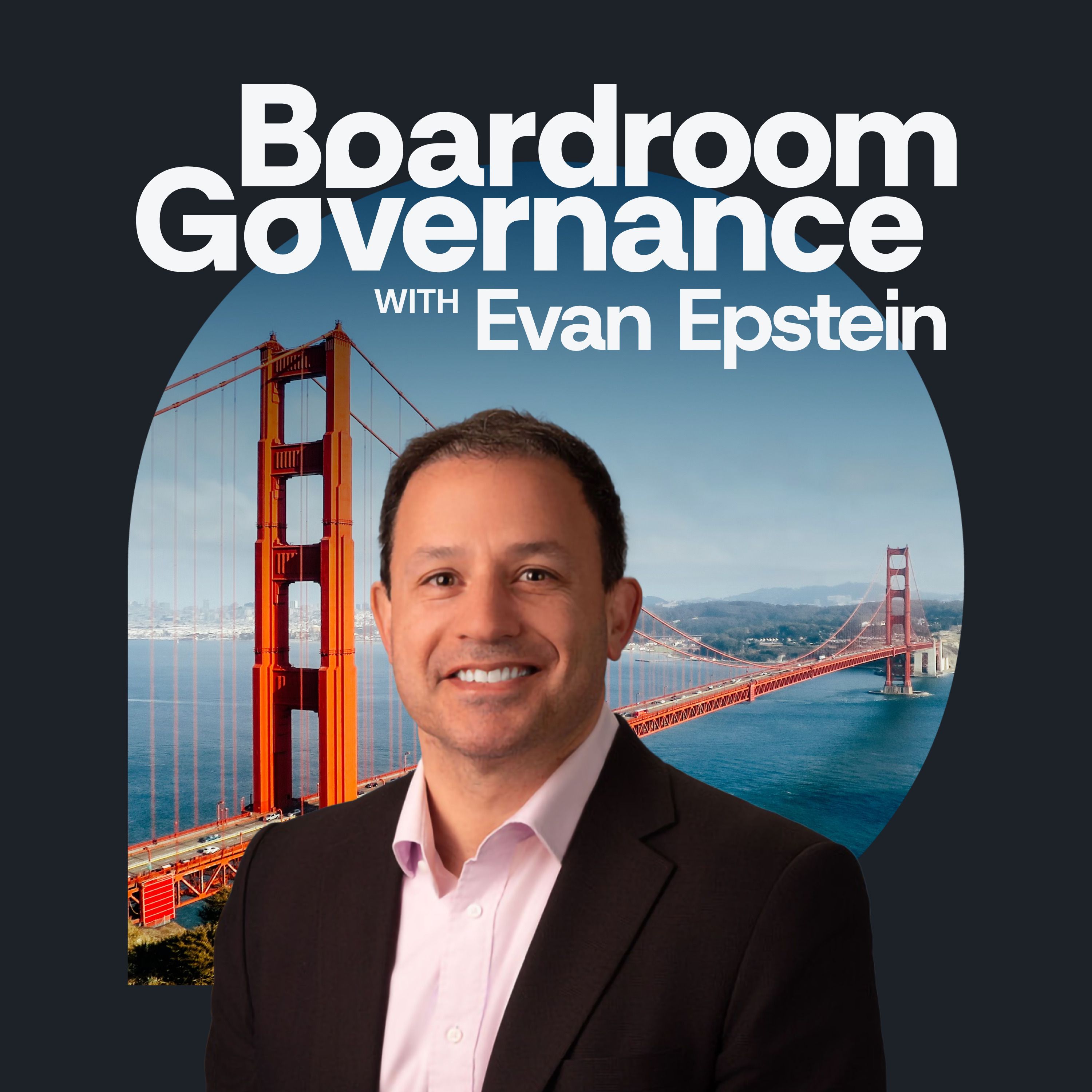 Boardroom Governance with Evan Epstein
 Bite-Sized Business Law
 Organized: The Business Law Breakdown
 The Business Court Benches
 The Business Negotiation Podcast with Fexingo: Deals, Contracts, and Closing Conversations
 Delaware Corporate Litigation Insights: A Lewis Brisbois PodcastOral Arguments, with Context
Represent this company? Request removal or email privacy@pitchcentric.com.
FAQs
If you have a concern about deliverability, AI quality, data privacy, or whether this will actually work for your specific situation, it's probably answered below.
Founder Solo gives you 50 AI pitches per month using the credit model (Standard pitches cost 1 credit, Enriched pitches cost 2). Founder Pro raises that to 200 credits per month and adds full Booking Probability access, unlimited Magic Match, Apollo enrichment credits, and data export capabilities. Both plans use the same credit system, so you can stretch your monthly budget further by using Standard-mode drafting.
Agency tiers have no base fee. You pay per managed client and per talent profile. Agency Standard is $199 per client per month; Agency Pro is $399 per client per month. Both add $39 per talent profile per month. Your own team's user seats are always free.
A talent profile represents one person (founder, executive, or spokesperson) you are booking onto podcasts. It includes their bio, topics, headshots, and outreach history. Team plans include 5 profiles; agency plans are pay-as-you-go.
Yes, at any time. Upgrades take effect immediately; downgrades apply at the end of the current billing period. Contact support if you need help migrating between plan families.
Every paid plan includes a 15-day free trial. Your card is saved at signup but you will not be charged until day 16. Cancel any time from your dashboard.
You keep access until the end of your current billing period. No charges after that. Your data is retained for 30 days in case you reactivate.
Yes. Select Annual on the pricing toggle and the discounted price is applied automatically at checkout. The annual price shown is the full year cost.
That is our Enterprise tier. Contact our sales team and we will build a custom plan with volume pricing, a dedicated account manager, and SLA guarantees.
